


December is one of my favorite times to bring seasonal stories into the classroom. There are so many wonderful Christmas books to share, but I also want our read-alouds to support the reading skills we’ve been working on all year.
That’s where Christmas folktales from around the world come in!
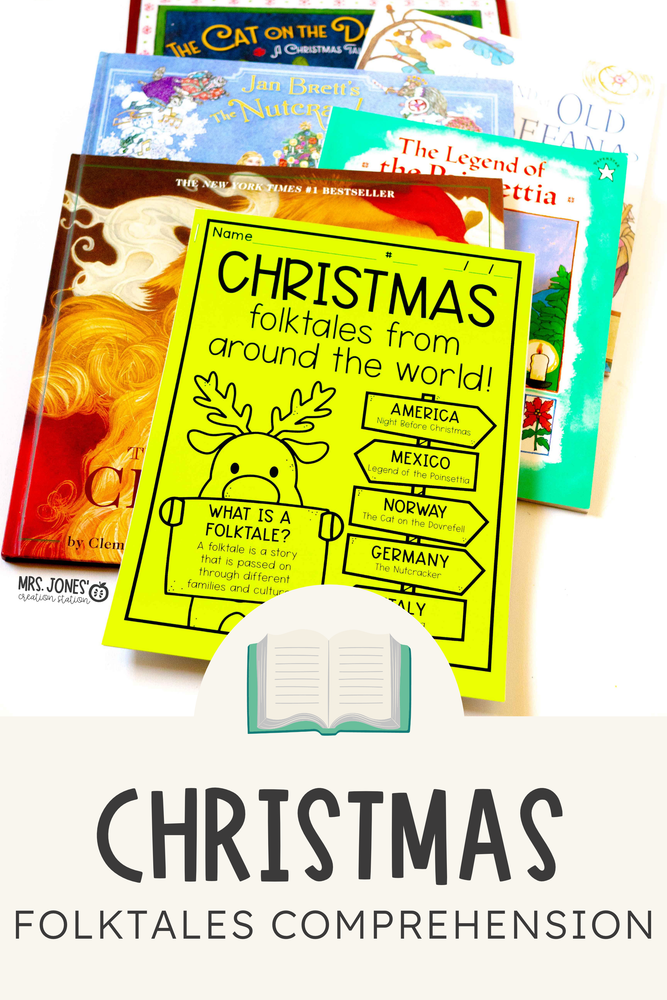
Folktales give learners an opportunity to explore stories from different cultures while practicing important reading comprehension skills. From identifying character traits to determining theme, these familiar and unfamiliar Christmas stories create meaningful opportunities for reading, writing, and discussion.
I’ve put together five Christmas folktales and paired each one with a different comprehension strategy. Here’s how you can use them in your classroom!
Why Teach Christmas Folktales?
Folktales are stories that have been shared and retold across generations. They often reflect the traditions, values, and beliefs of the cultures where they originated.
When we introduce learners to Christmas folktales from different countries, we’re doing more than sharing holiday stories.
We’re helping them recognize that stories can connect people across cultures while giving them opportunities to explore different traditions and perspectives.
Folktales also work beautifully for reading comprehension instruction because learners can examine characters, identify problems and solutions, ask questions, and consider the lessons a story teaches.
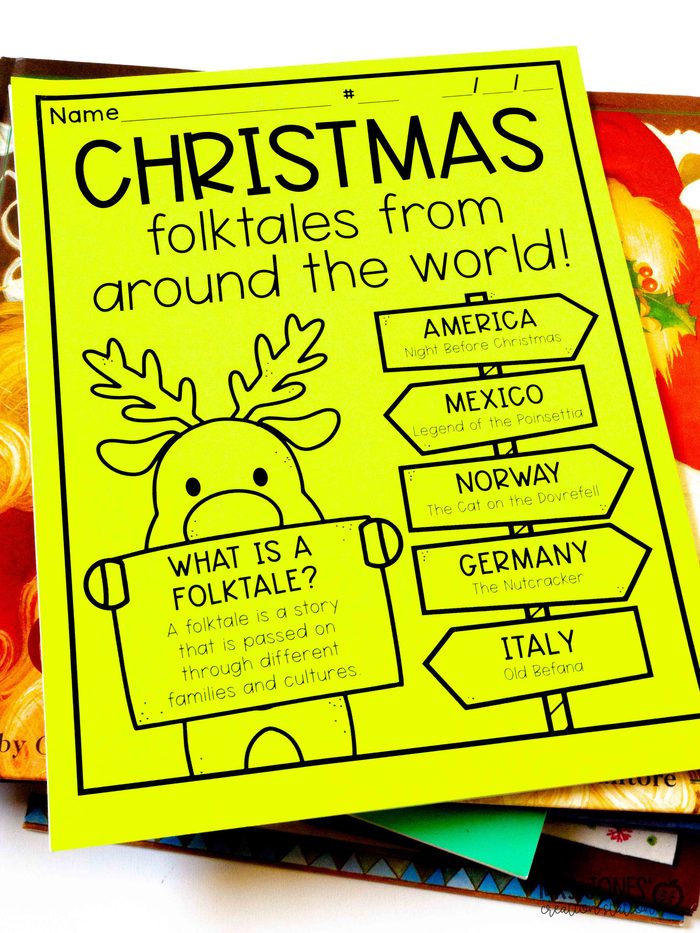
I like to begin by showing learners the countries represented in our stories. We locate each country on a map and discuss what we already know before reading.
This helps learners make connections and builds excitement for the stories ahead.
Five Christmas Folktales and Reading Comprehension Activities
Instead of using the same reading response worksheet for every story, I like to focus on a different comprehension strategy with each folktale.
This allows learners to practice several important skills while exploring Christmas traditions around the world.
The Night Before Christmas: Character Traits
Country: America
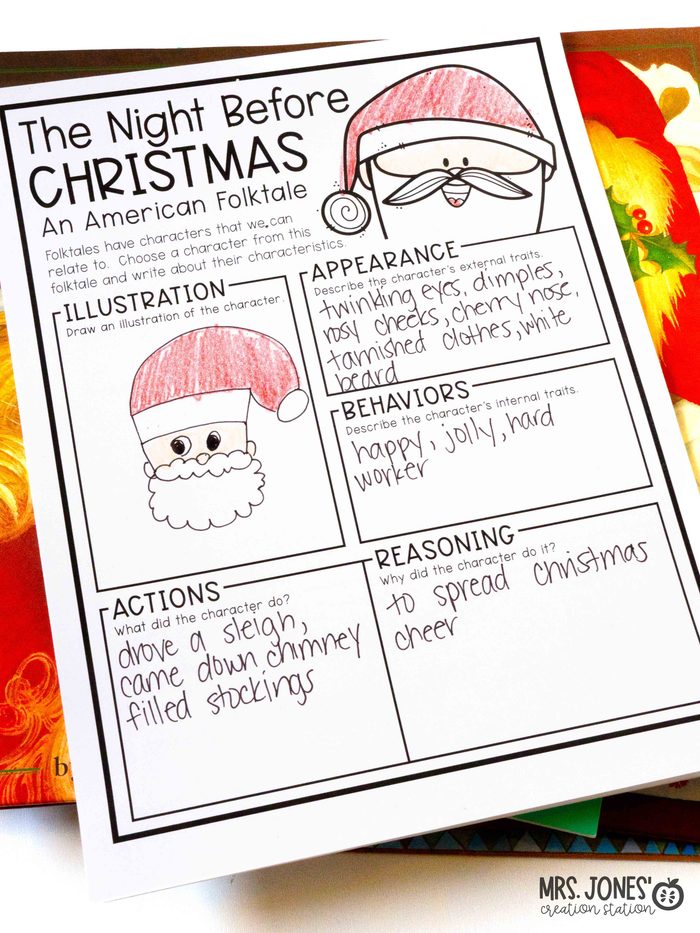
The Night Before Christmas is a wonderful opportunity to explore character traits.
After reading, learners choose a character and examine both external and internal characteristics.
We discuss what the character looks like, how the character behaves, and what their actions reveal about their personality.
Learners then illustrate their chosen character and record their observations.
I especially like asking, “What did the character do that makes you think that?”
This encourages learners to support their thinking with details from the story instead of simply listing describing words.
The Legend of the Poinsettia: Asking Questions
Country: Mexico
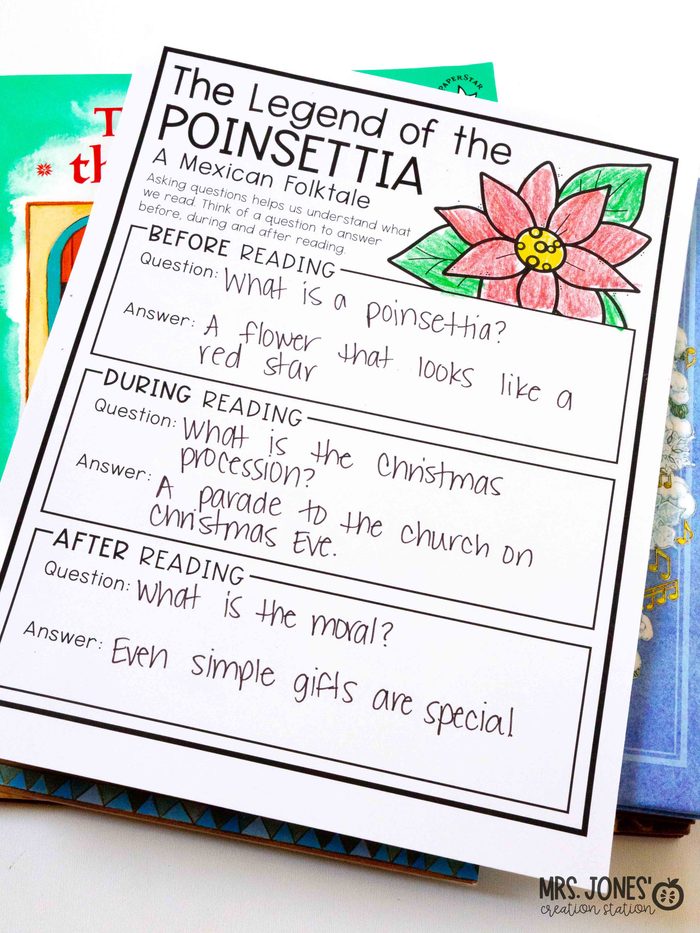
Asking questions before, during, and after reading is an important strategy for helping learners monitor their understanding.
The Legend of the Poinsettia provides a meaningful opportunity to practice this skill while introducing a Christmas tradition associated with Mexico.
Before reading, I encourage learners to examine the cover and share questions they have about the story.
During the read-aloud, we stop to discuss new questions and look for answers.
After reading, learners reflect on what they learned and identify any questions that remain.
The printable recording page gives learners space to document their questions and answers at each stage.
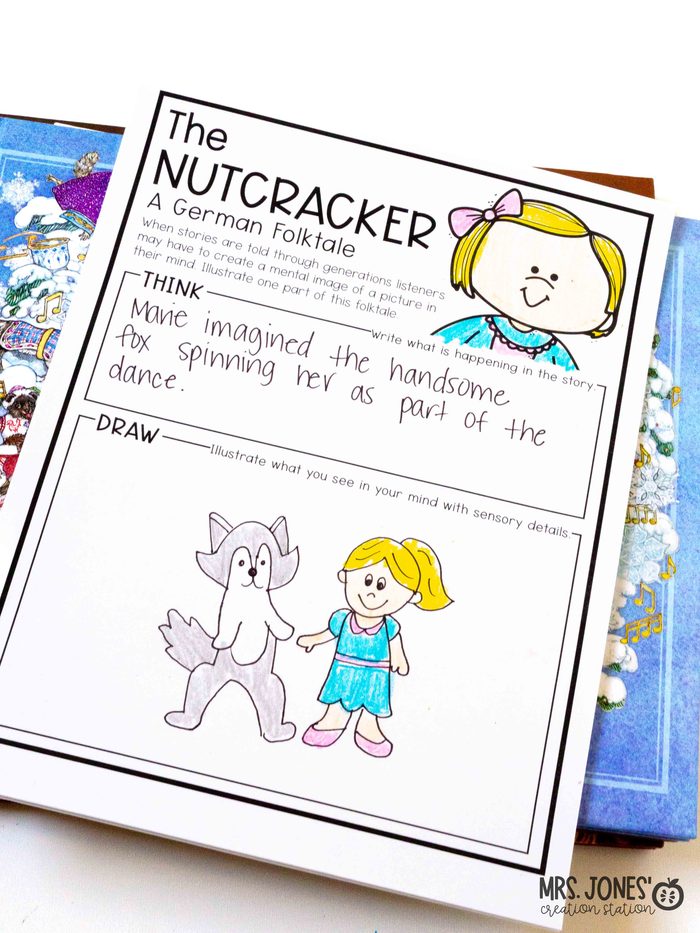
The Nutcracker: Making Mental Images
Country: Germany
One of my favorite ways to develop reading comprehension is by helping learners create mental images as they listen to stories.
For The Nutcracker, I encourage learners to pay attention to descriptive details and imagine what is happening in the story.
We discuss how authors use words to help readers picture characters, settings, and events.
After reading, learners choose a scene, describe what they imagined, and illustrate their mental image.
This is a great opportunity to remind learners that their illustrations don’t have to look exactly alike. Each reader brings their own experiences and imagination to a story.
The Cat on the Dovrefell: Summarizing a Story
Country: Norway
Summarizing can be challenging for young learners, especially when they want to retell every little detail!
The Cat on the Dovrefell gives learners an opportunity to practice identifying the most important parts of a story.
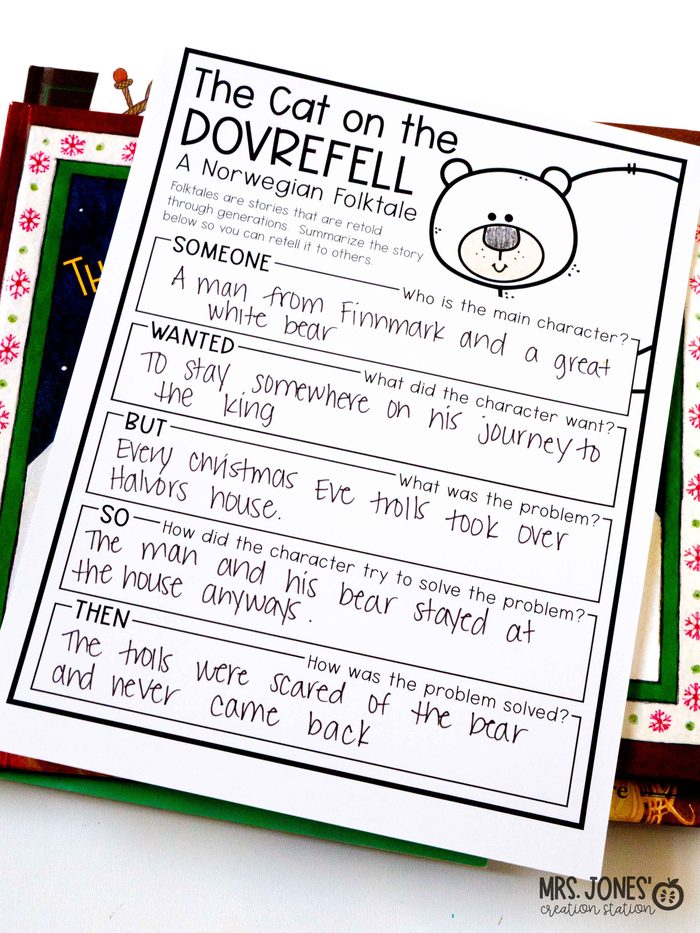
I use the Somebody, Wanted, But, So, Then strategy to help learners organize their thinking.
We identify the main character, what the character wanted, the problem, how the character responded, and how the story ended.
This structure helps learners focus on the essential story events instead of including every detail.
After discussing the story together, learners complete the corresponding reading response page.
Old Befana: Determining Theme
Country: Italy
Determining theme requires learners to think beyond what happened in a story and consider what the story teaches us.
Old Befana is a wonderful story for discussing the lessons and messages found in folktales.
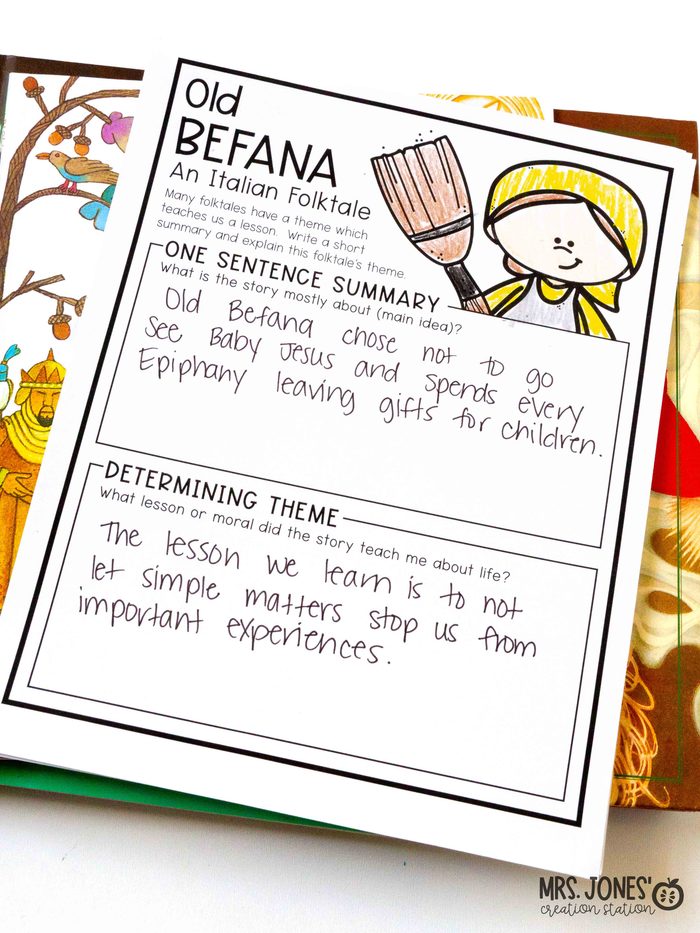
After reading, we begin by identifying the main events and writing a brief summary.
Then I ask learners to consider what the characters learned and what the story might teach readers about life.
We discuss how the theme is different from the topic of a story and look for details that support our thinking.
Learners use their reading response page to record a one-sentence summary and explain the theme.
How to Organize a Christmas Folktales Reading Study
You can easily turn these five stories into a week of Christmas reading comprehension lessons.
I like the idea of introducing one folktale each day and focusing on a different reading strategy.
Begin by locating the country on a map and discussing any background information learners need to understand the story.
Then read the folktale aloud, model the comprehension strategy, and provide time for discussion.
After reading, learners complete the corresponding response page to show their understanding.
You can also revisit the stories throughout December and compare characters, settings, traditions, and themes.
For learners who need additional support, complete portions of the recording page together before transitioning to independent responses.
The goal isn’t simply to finish five worksheets. It’s to help learners think more deeply about what they’re reading.
Christmas Folktales Reading Comprehension Printables
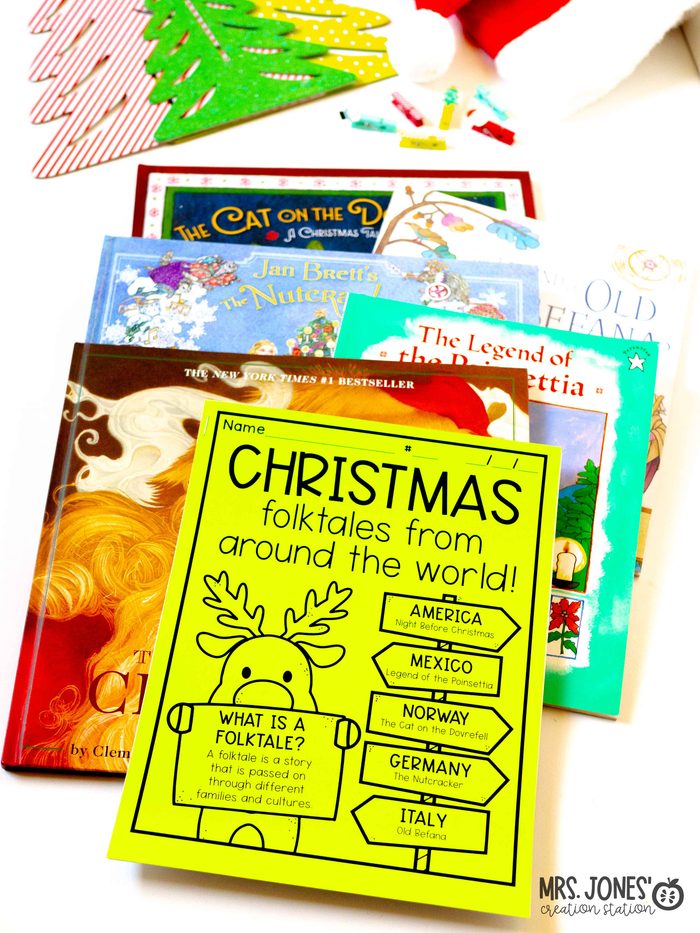
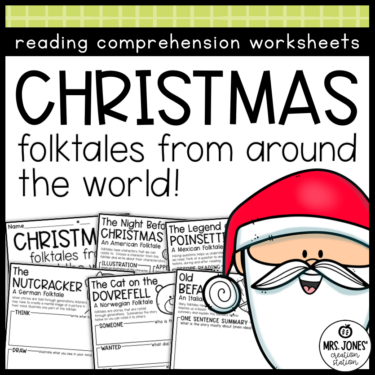
If you’d like to bring these activities into your classroom without creating individual response pages, I’ve put together a Christmas Folktales from Around the World Reading Comprehension Packet.
The packet includes five printable reading response activities, each designed around a different Christmas folktale and comprehension strategy.
Learners will practice:
- Identifying internal and external character traits
- Asking and answering questions
- Creating mental images
- Summarizing important story events
- Determining theme
You’ll also receive a cover page introducing the five countries and their corresponding stories.
Simply pair the printables with your copies of the folktales, and you’re ready to build meaningful reading lessons into your December plans!
Shop This Post
Please note: The folktale books are not included with the printable packet.
Make Christmas Reading Meaningful
Holiday activities can be fun without taking away from meaningful instruction.
By pairing Christmas folktales with targeted comprehension strategies, learners can explore stories from around the world while strengthening the reading skills they need throughout the year.
Whether you use these stories for a weeklong Christmas around the world study or incorporate them into your December read-alouds, they’re a wonderful way to bring literature, culture, and reading comprehension together.


