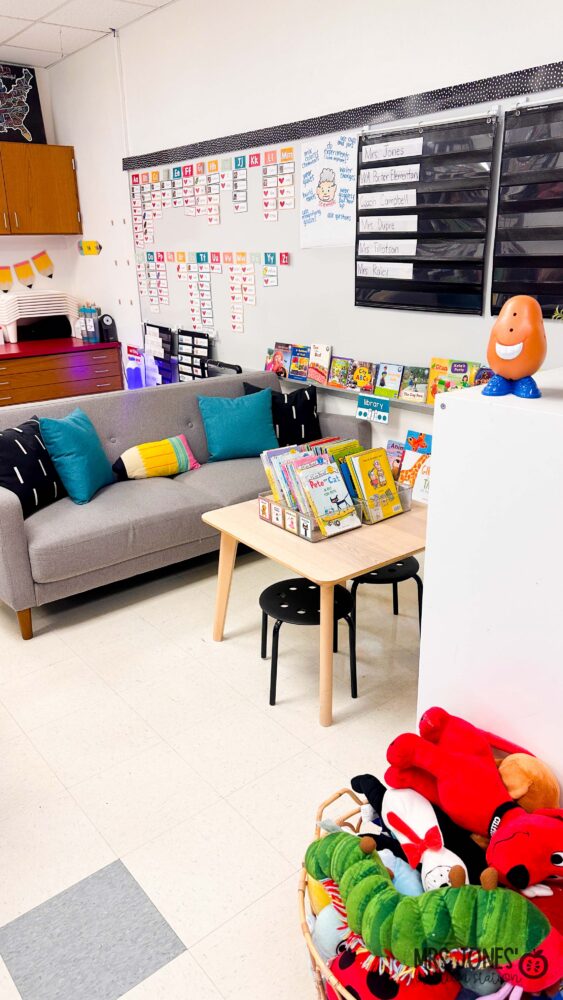
One of the biggest mistakes teachers make during classroom setup is decorating before planning.
I’ve done it myself.
I’d spend hours hanging bulletin boards and arranging furniture, only to realize my guided reading table didn’t fit or learners had to walk across the room every time they switched centers.
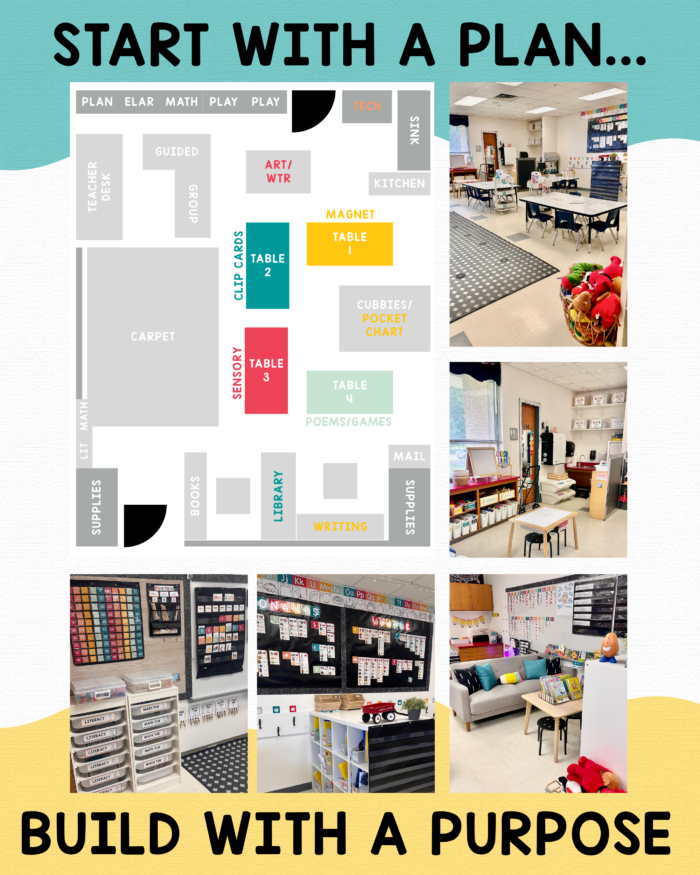
Eventually, I learned to start with a simple classroom sketch.
Before I moved a single piece of furniture, I planned how I wanted my classroom to function. Once I had a layout that supported learning, everything else became much easier.
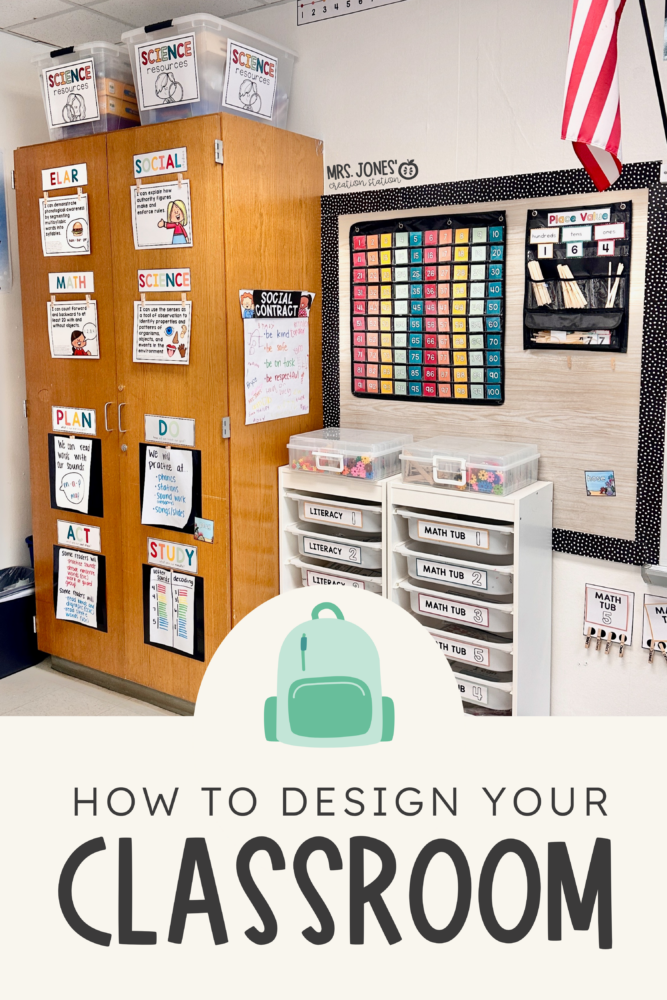
Why Your Classroom Layout Matters
Your classroom layout influences so much more than how the room looks.
A purposeful classroom layout helps learners:
- Move safely between activities.
- Work independently.
- Stay engaged during centers.
- Understand classroom routines.
- Access materials with confidence.
It also makes your job easier because you spend less time redirecting and more time teaching.
Grab This Freebie
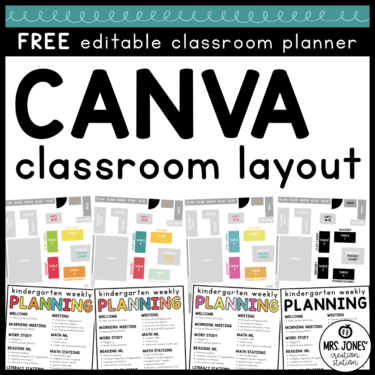
Editable Classroom Layout Planner | Free Canva Template
Login to DownloadStart with Learning, Not Furniture
Instead of asking, “Where should my tables go?”
Ask yourself:
- How will learners move throughout the day?
- Where will whole-group lessons happen?
- Where will guided reading or small groups meet?
- Which centers need quieter spaces?
- Which activities naturally create more conversation and movement?
- Can you easily see every learner from your teaching areas?
Those answers should determine your classroom layout.
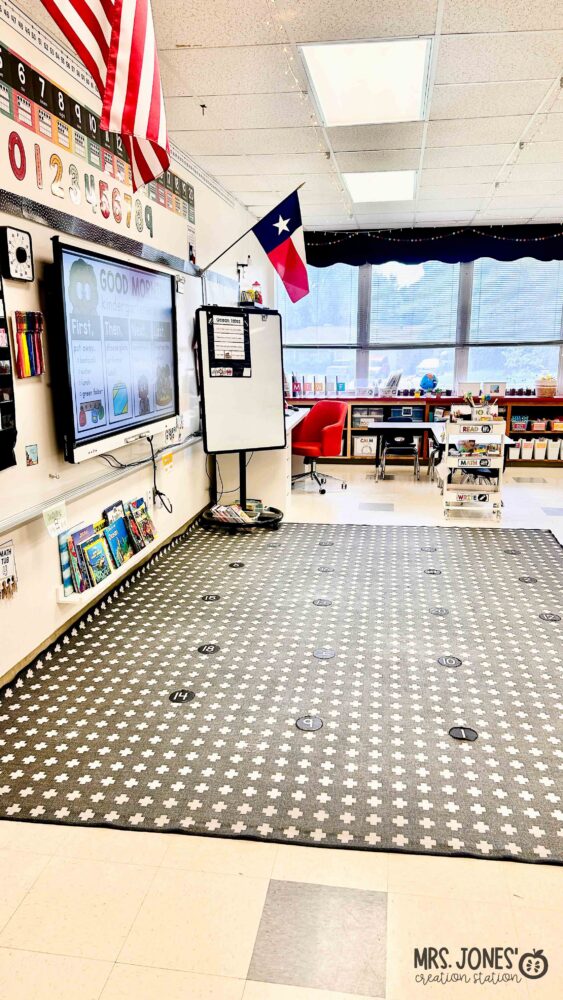
Think About Noise Levels
One of the biggest things I considered was separating quieter learning spaces from areas where collaboration naturally happens.
For example:
Quiet Areas
- Classroom library
- Writing center
- Independent work
- Teacher table
More Active Areas
- Magnets
- Art
- Dramatic play
- Sensory table
- Building centers
Planning around noise levels helps learners stay focused while giving them opportunities to collaborate when it’s appropriate.
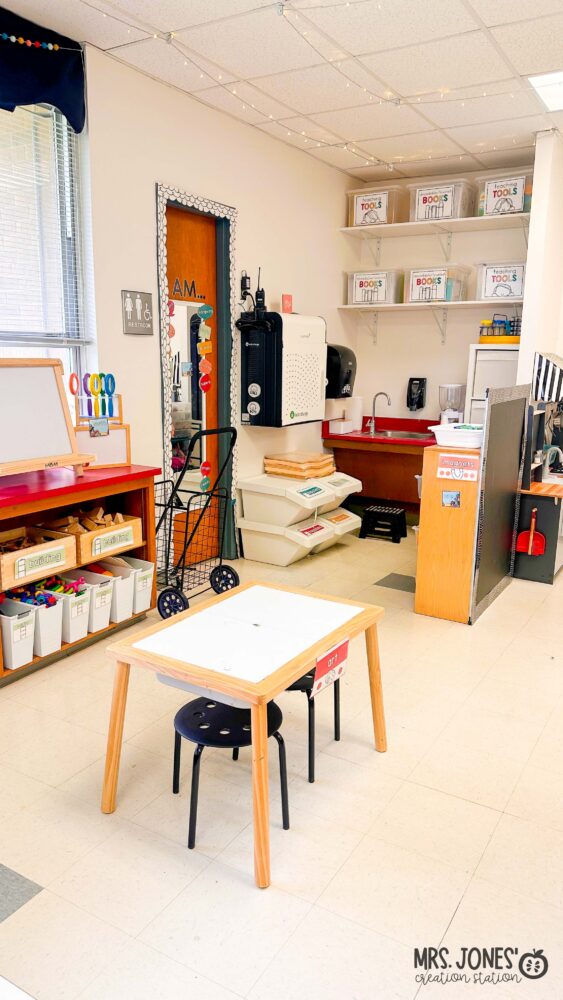
Create Clear Learning Zones
As I planned my classroom, every space had a purpose.
Instead of filling empty corners, I created intentional learning zones.
Examples include:
- Whole-group meeting area
- Guided group table
- Literacy centers
- Math centers
- Writing station
- Classroom library
- Art center
- Sensory area
- Technology station
When every area has a purpose, learners quickly learn where materials belong and what is expected in each space.
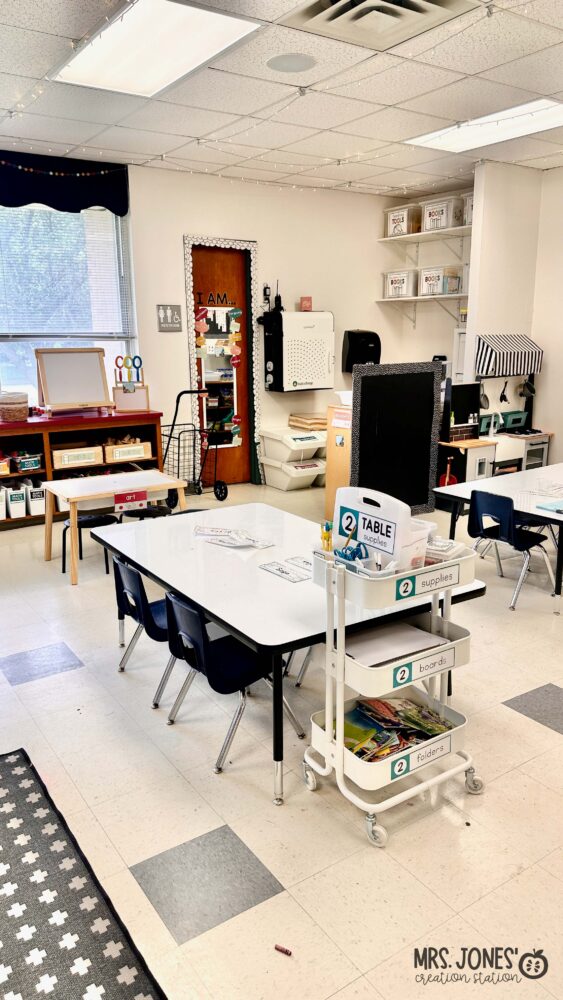
Walk Through Your Classroom
Before moving furniture, imagine yourself as a learner.
Can they:
- Enter the room without congestion?
- Find their supplies?
- Move easily between centers?
- Gather on the carpet?
- Reach classroom materials independently?
Sometimes a simple sketch reveals problems before you move a single desk.
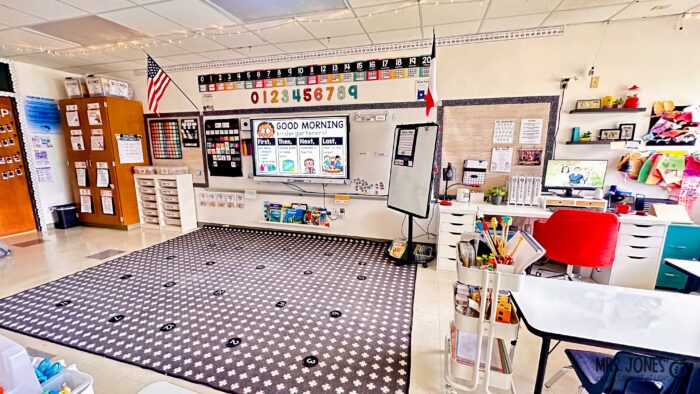
Build Function Before Decorating
I love classroom decor.
But I always wanted my classroom to work before I worried about how it looked.
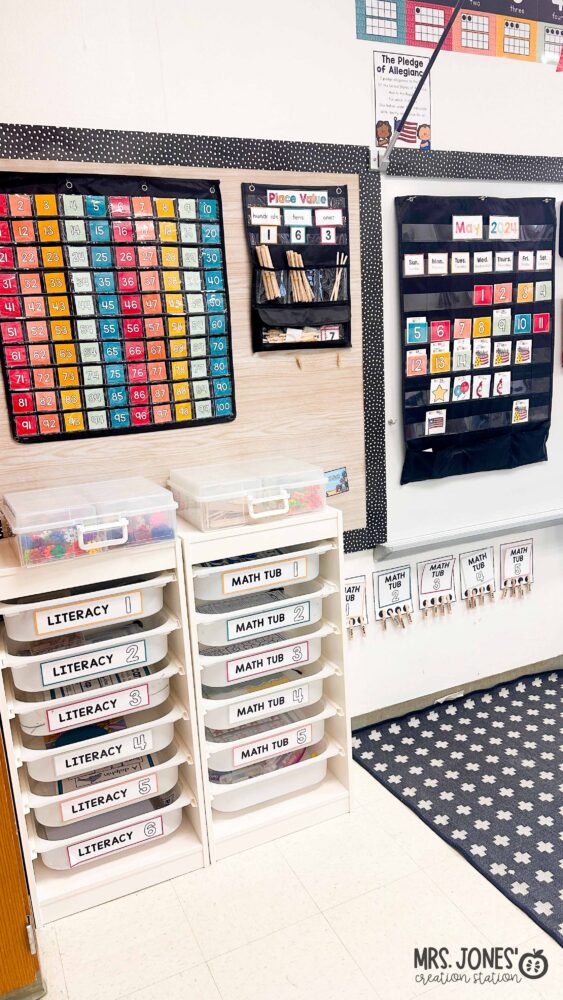
Once my furniture, learning spaces, and classroom systems were in place, decorating became the finishing touch instead of the starting point.
A purposeful classroom will always serve your learners better than a perfectly decorated room without a plan.
Finish with a Cohesive Classroom Style
Once your classroom is functional, it’s time to make it feel welcoming.
Choosing one classroom decor collection helps tie everything together while keeping your labels, signs, displays, and organization consistent throughout the room.
Whether you prefer Simple Black, Bright Colors, Calm Colors, or Pastel Colors, the goal is the same: create a classroom that supports learning while reflecting your teaching style.
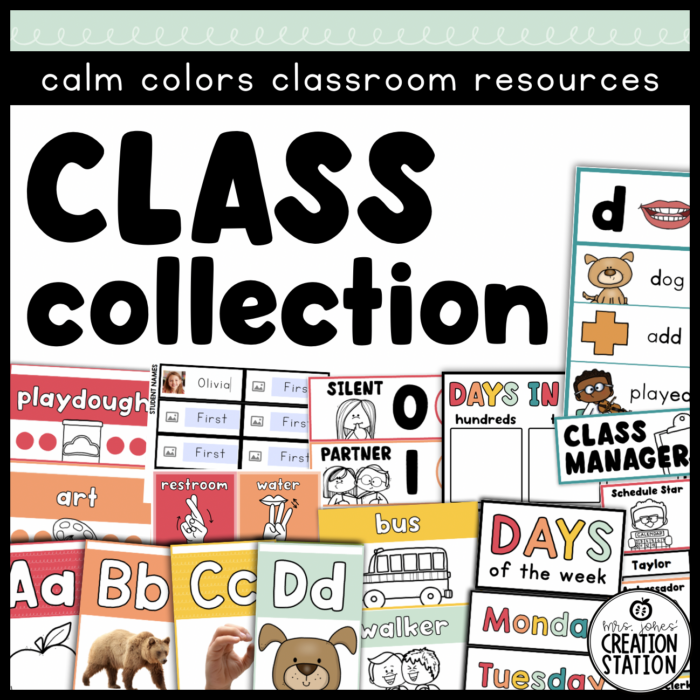
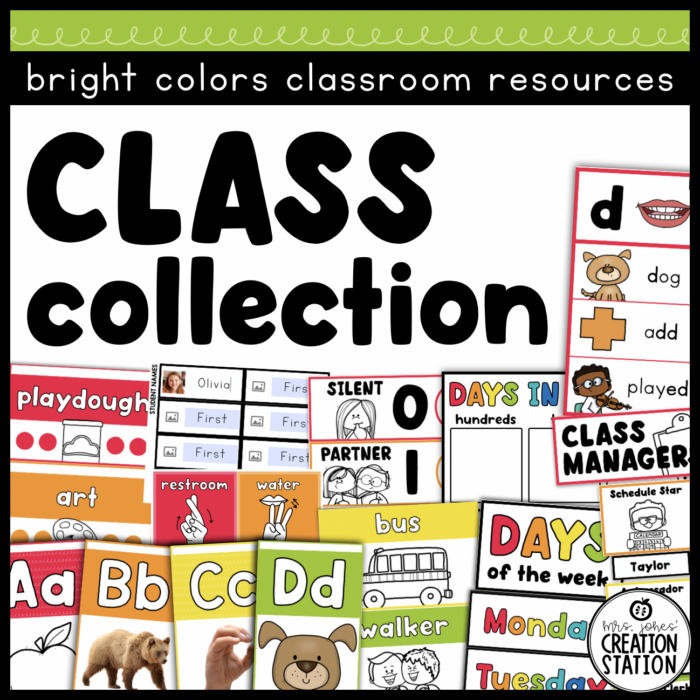
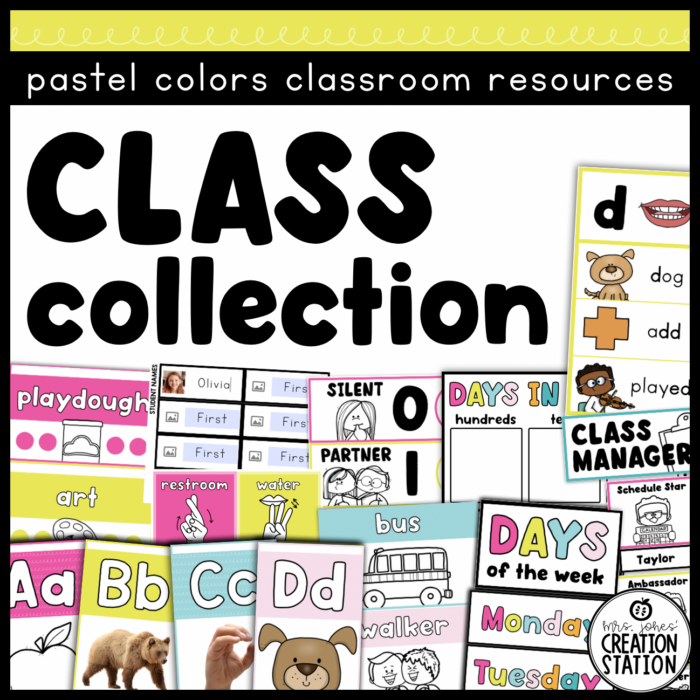
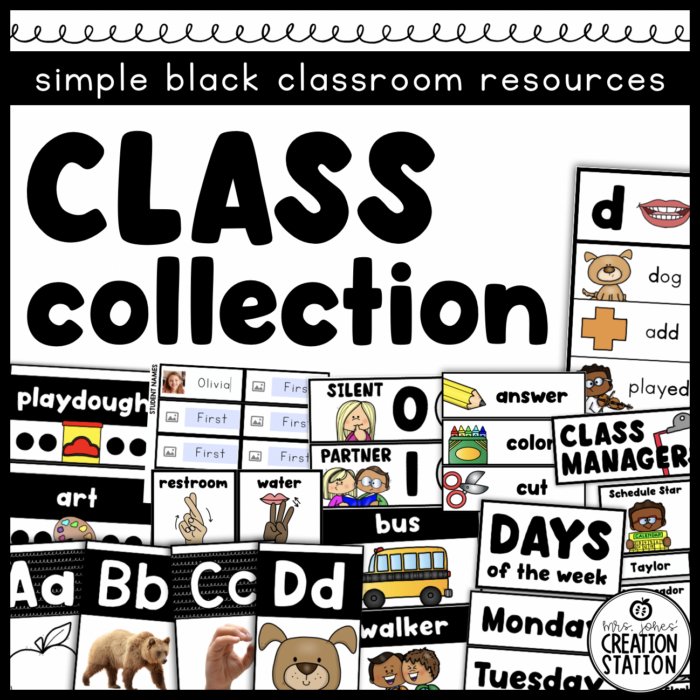
Explore all four classroom decor collections and choose the one that fits your classroom best.
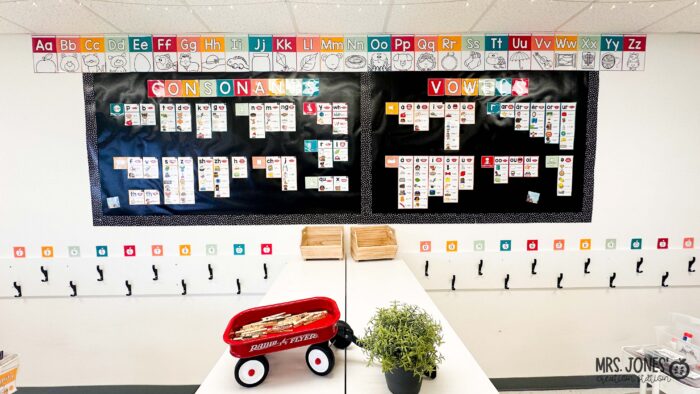
Shop This Post
Download the Free Editable Classroom Layout Planner
One of the easiest ways to start planning your classroom is by sketching it out before you begin moving furniture.
To help you get started, I created a FREE editable Canva Classroom Layout Planner that allows you to map out your classroom before carrying in a single desk. The planner includes multiple editable layout pages so you can experiment with different furniture arrangements until you find one that works best for your learners.
Use it to:
- Plan whole-group and small-group instruction areas.
- Design literacy, math, and center spaces.
- Organize quiet and collaborative learning zones.
- Test different table arrangements before setup day.
- Visualize traffic flow throughout your classroom.
Sometimes moving furniture on paper is much easier than moving it across the classroom.
Grab This Freebie
Editable Classroom Layout Planner | Free Canva Template
Login to DownloadStart With a Plan. Build With a Purpose.
Your classroom doesn’t have to be perfect on the first day.
It just needs to support the learners who will walk through the door.
Start with a simple plan.
Think intentionally about how every space will be used.
Then build a classroom that encourages learning, independence, and community from day one.