Teaching letter names and sounds takes repetition, but that doesn’t mean it has to feel repetitive.
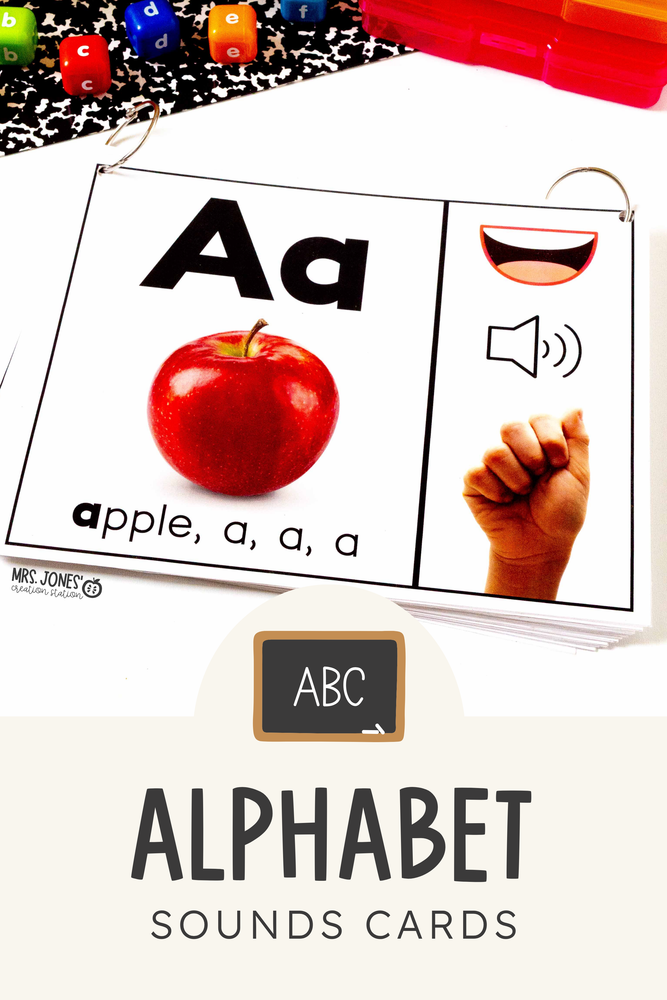
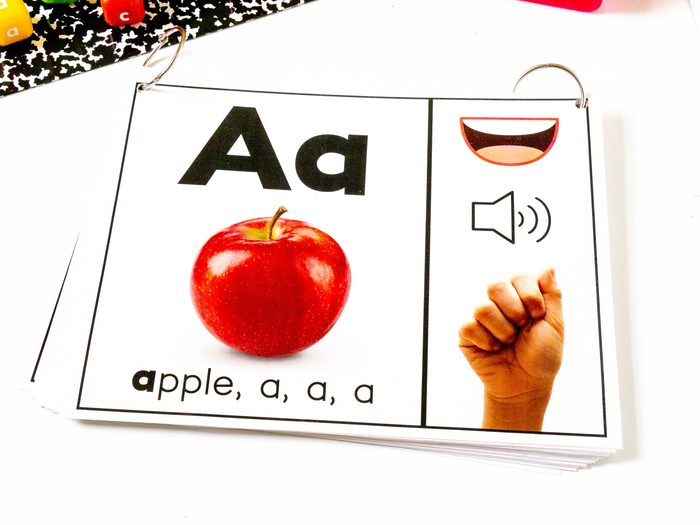
One of my favorite alphabet tools is a simple set of Alphabet Sound Cards. Instead of keeping them in a drawer or only pulling them out during phonics lessons, I keep them on large metal binder rings so they’re always ready to grab. Each card includes an uppercase and lowercase letter, a picture cue, the beginning sound, and a visual mouth cue to help learners connect letters and sounds.
Because they’re portable and easy to flip through, I use them during whole-group lessons, small groups, transitions, and even independent practice.
Set Up Your Alphabet Sound Cards
Before introducing the cards to learners, I like to laminate each one for durability.
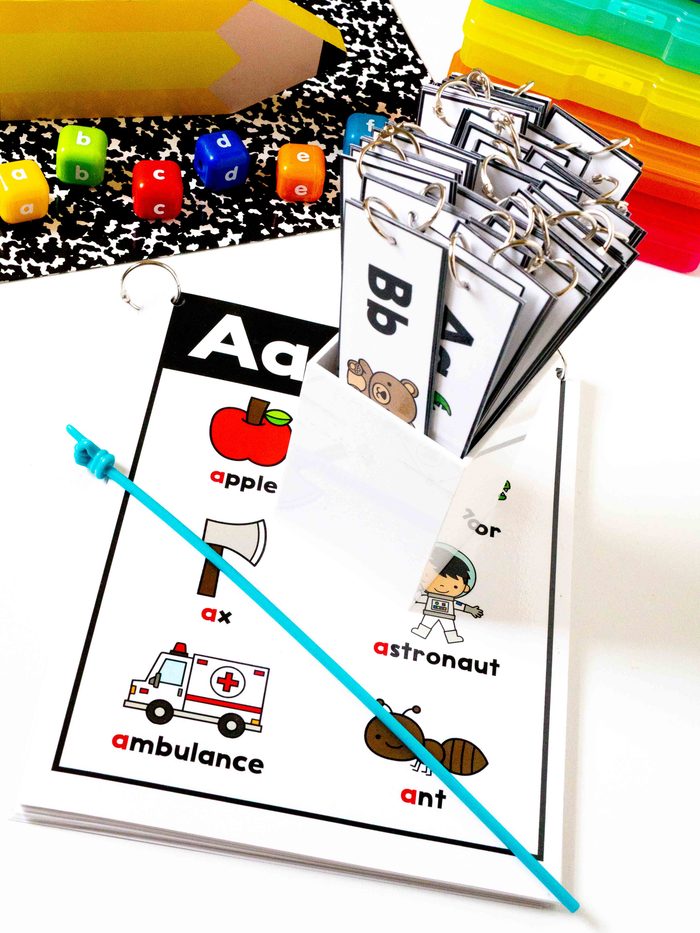
Then I hole punch the corner of each card and place the entire alphabet on one large metal binder ring. Some teachers prefer two smaller rings to make them easier for little hands to hold, but either option works well.
Keeping the cards together makes them easy to grab during lessons, prevents missing letters, and allows you to flip through the alphabet in order or quickly find a specific letter.
Use Them During Whole-Group Phonics Lessons
During whole-group instruction, we practice one letter at a time.
As I hold up each card, learners:
- Say the letter name.
- Name the picture.
- Repeat the beginning sound.
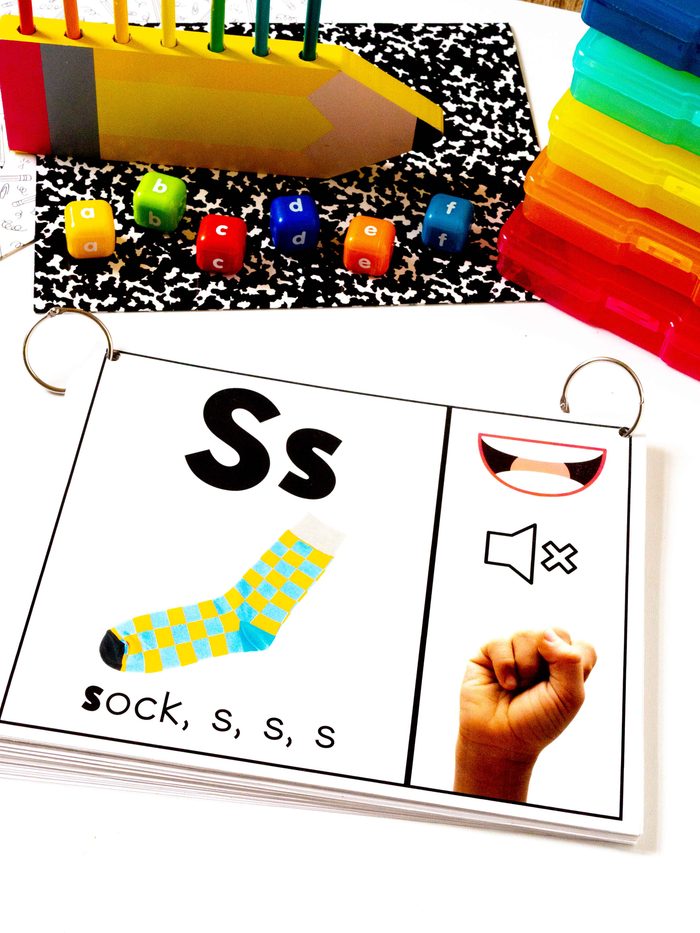
- Look at the mouth cue and practice making the sound together.
The visual picture and mouth cue give learners multiple ways to remember each letter sound, making phonics practice much more meaningful.
Bring Them to Your Small Groups
Because the cards stay together on a binder ring, they’re perfect for guided reading and intervention groups.
I can quickly review previously taught letters, introduce a new sound, or assess letter-sound knowledge without gathering multiple materials.
They’re also helpful when learners need a quick reminder while blending sounds or decoding simple words.
Keeping the cards in your guided reading basket means they’re always within reach.
Keep the Learning Going Throughout the Day
Alphabet instruction doesn’t have to stay in your literacy block.
These cards are easy to use during transitions, morning meeting, or those extra few minutes before lunch.
Try asking questions like:
- Can you find the letter that says /m/?
- What picture do you see on this card?
- Can you think of another word that begins with this sound?
- What happens to your mouth when you make this sound?
Those quick review moments add up and help learners develop stronger letter-sound connections over time.
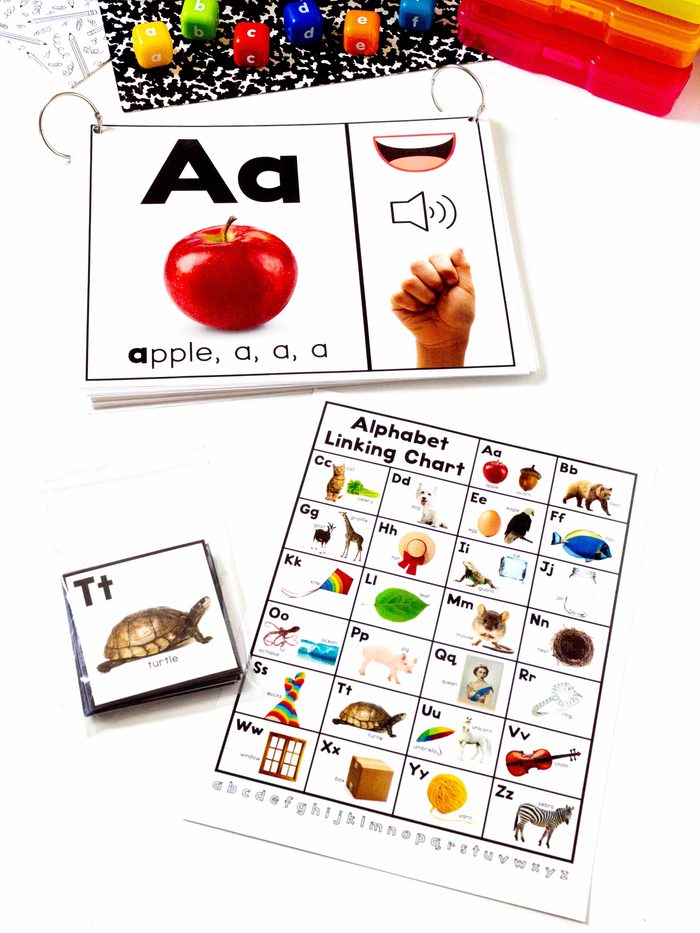
Pair Them with the FREE Alphabet Linking Sound Chart
Once learners begin recognizing letters and sounds, I like giving them a personal reference tool they can use throughout the day.
My FREE Alphabet Linking Sound Chart gives learners an individual alphabet reference that matches the sounds they’re practicing during instruction.
Keep one in writing folders, literacy centers, or student binders so learners can independently reference letter sounds while reading and writing.
Alphabet Linking Chart
Help learners connect letters with familiar pictures while building letter recognition, beginning sound skills, and early literacy confidence.
Build a Strong Alphabet Foundation
Alphabet Sound Cards are just one part of helping little learners develop strong alphabet knowledge.
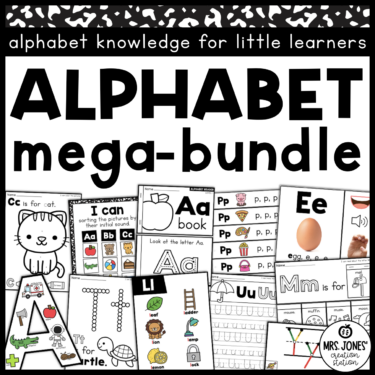
If you’re looking for a complete alphabet curriculum, my Alphabet Bundle includes engaging lessons, centers, printables, assessments, and hands-on activities that help learners practice letter recognition, beginning sounds, alphabet order, and early phonics skills.
Whether you’re teaching whole group, small group, literacy centers, or intervention, you’ll have everything you need to build confident readers from the very beginning.