


When many people think of science, they picture exciting experiments and bubbling volcanoes. Those activities are certainly memorable, but they’re only one part of science.
Before learners can confidently investigate, observe, and ask questions, they first need to understand what science actually is.
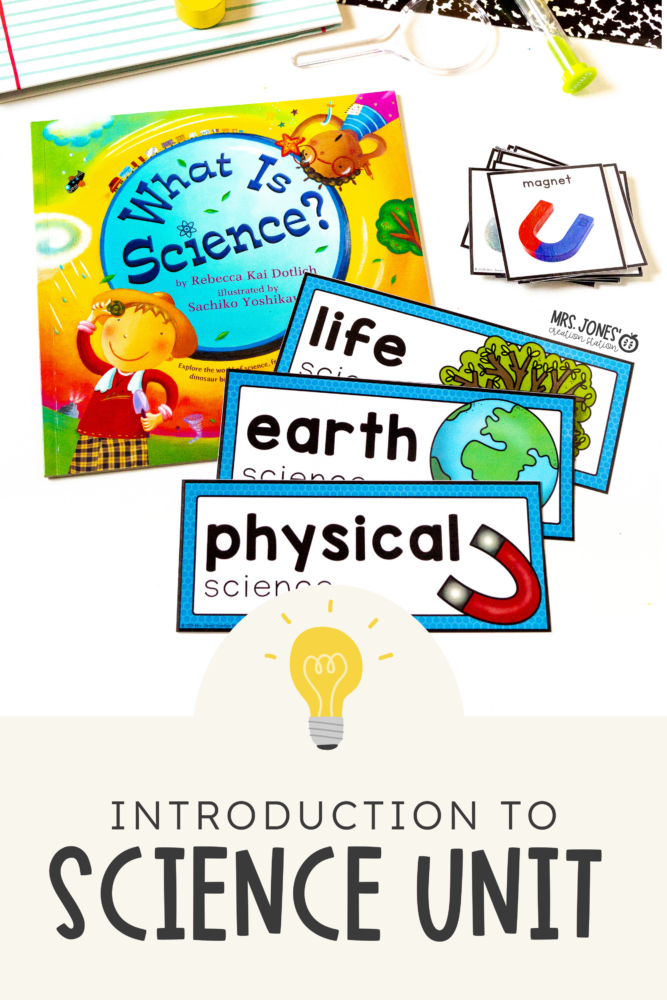
I like beginning the school year with a simple question…
“What is science?”
Instead of memorizing a definition, we spend the week discovering that science is learning about the world around us. We observe, ask questions, use tools, make predictions, and share what we learn. By the end of the week, learners begin to see themselves as scientists.
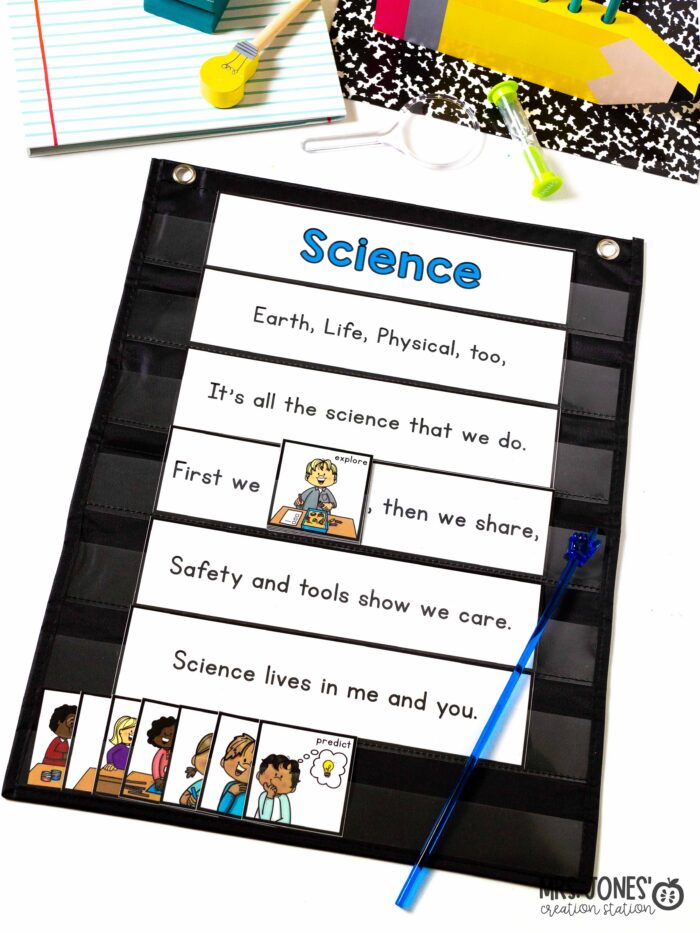
Build Understanding One Small Step at a Time
Young learners thrive when new ideas are introduced gradually.
Rather than teaching everything about science in one lesson, I focus on one concept each day. We begin by exploring what science is before moving into what scientists do, how to stay safe during investigations, the tools scientists use, and finally completing our own simple investigation.
Each lesson builds on the previous day’s learning. By the time learners complete their first experiment, they already understand the vocabulary, expectations, and safety routines needed to be successful.
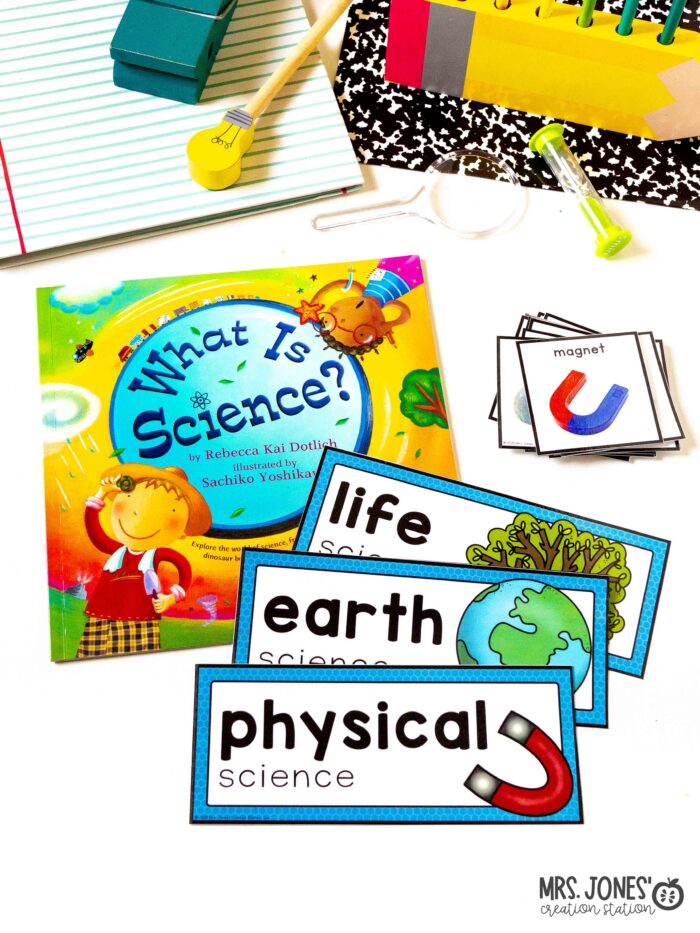
Science Doesn’t Have to Stand Alone
One of my favorite ways to teach science is by weaving literacy throughout the entire unit.
Every lesson begins with a read aloud that introduces the day’s topic. Throughout the week, learners revisit important vocabulary through shared reading, interactive poems, predictable books, and simple science readers.
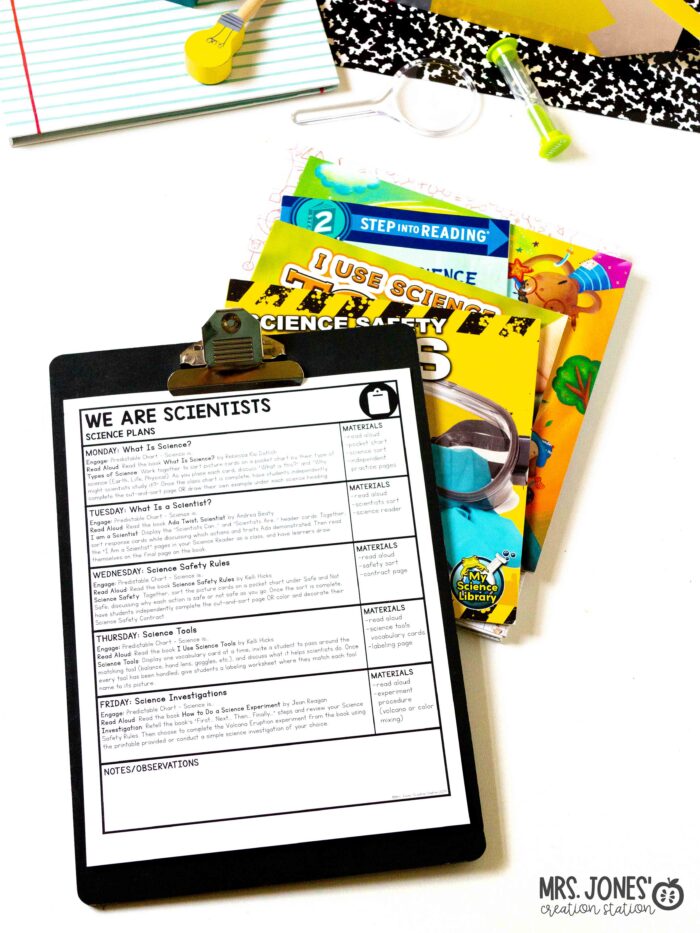
Instead of separating science and literacy into different parts of the day, they naturally support one another.
Learners are reading, listening, discussing, drawing, writing, and using science vocabulary long before they’re expected to write independently.
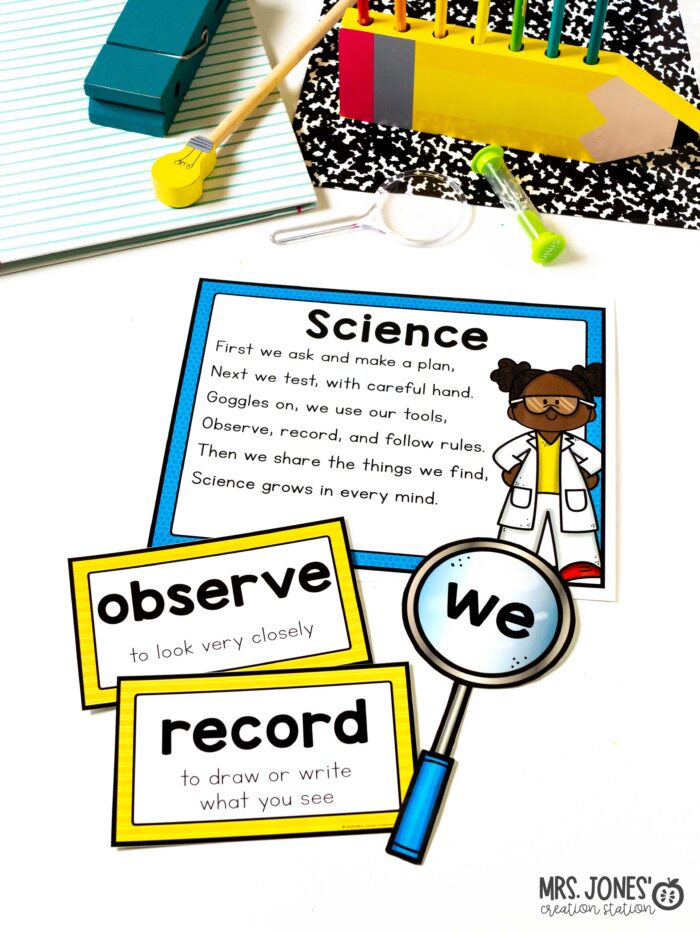
Hands-On Learning Makes Science Stick
Science should be active.
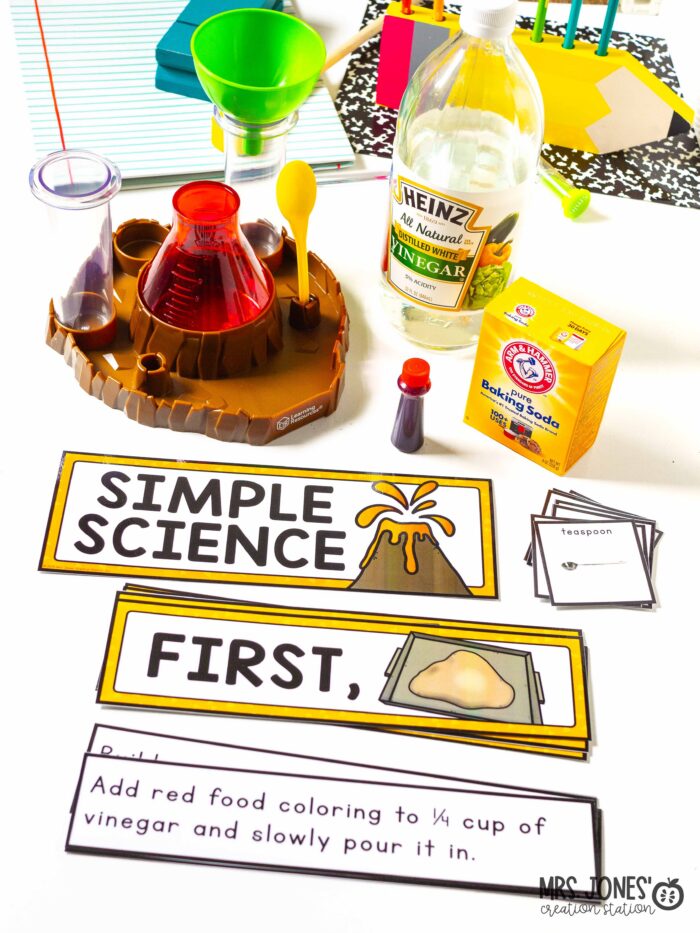
Rather than listening to a long explanation, learners spend the week sorting, discussing, handling science tools, creating a lapbook, and participating in simple investigations. Each activity encourages conversation and gives learners multiple opportunities to practice new vocabulary in meaningful ways.
When learners can touch, sort, observe, and explore, the concepts become much easier to understand and remember.
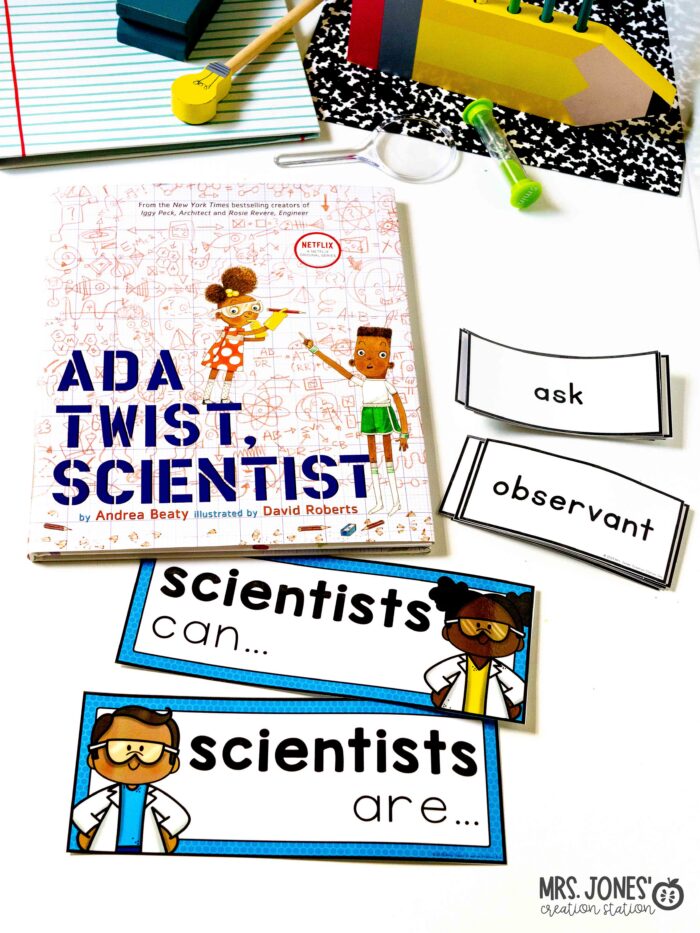
Create Routines That Last All Year
One of the biggest benefits of teaching a “What Is Science?” unit first is that you’re introducing classroom expectations alongside science concepts.
As learners practice using science tools, discussing observations, and following safety rules, they’re also learning how your science block will run for the rest of the year.
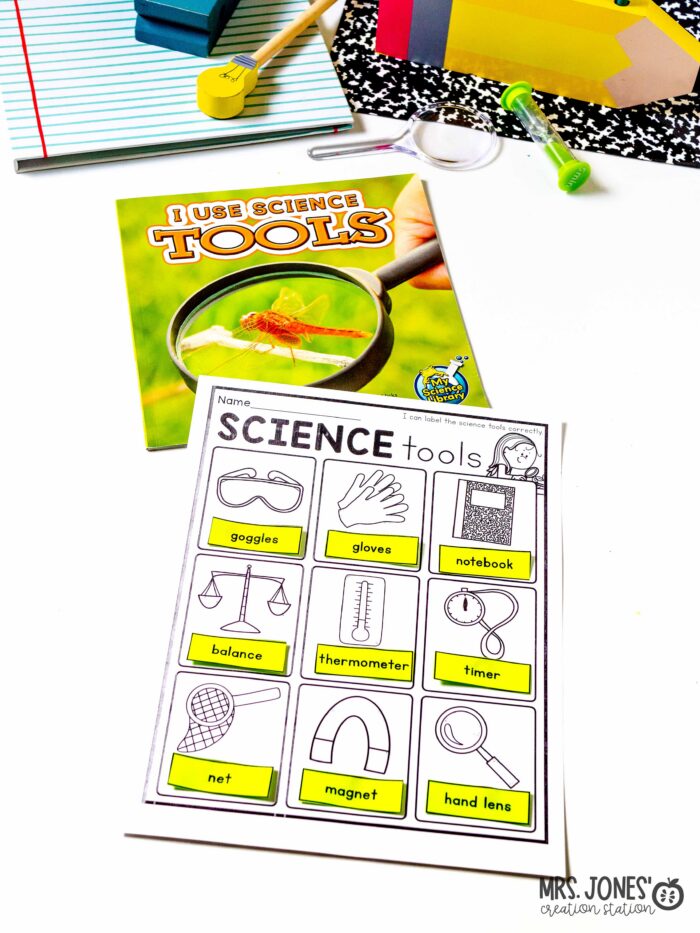
Those routines make future investigations smoother because expectations have already been established.
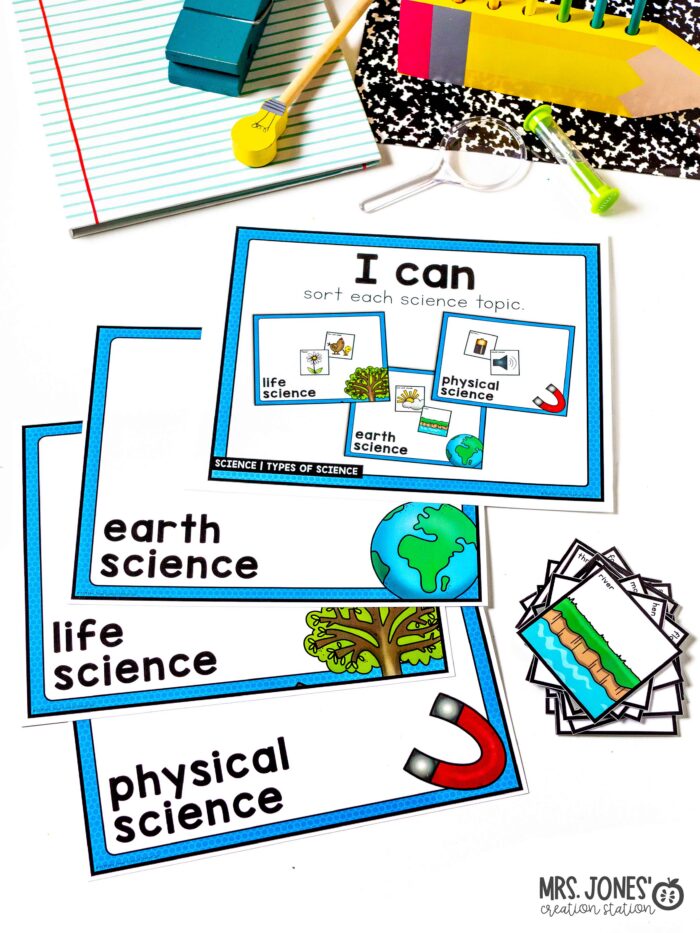
Encourage Learners to Think Like Scientists
The goal isn’t for learners to memorize facts.
It’s to help them become curious.
Throughout the week, encourage learners to ask questions, notice details, compare observations, and explain their thinking. Celebrate curiosity just as much as correct answers.
Those habits will carry into every science unit you teach throughout the year.
Everything You Need for Your First Science Unit
If you’re looking for a complete introduction to science, my What Is Science? Unit includes everything you need to teach an engaging week of lessons.

You’ll find detailed lesson plans, hands-on activities, literacy connections, science centers, lapbook pieces, simple investigations, shared reading resources, and read aloud suggestions that work together to help little learners build a strong foundation in science.


